
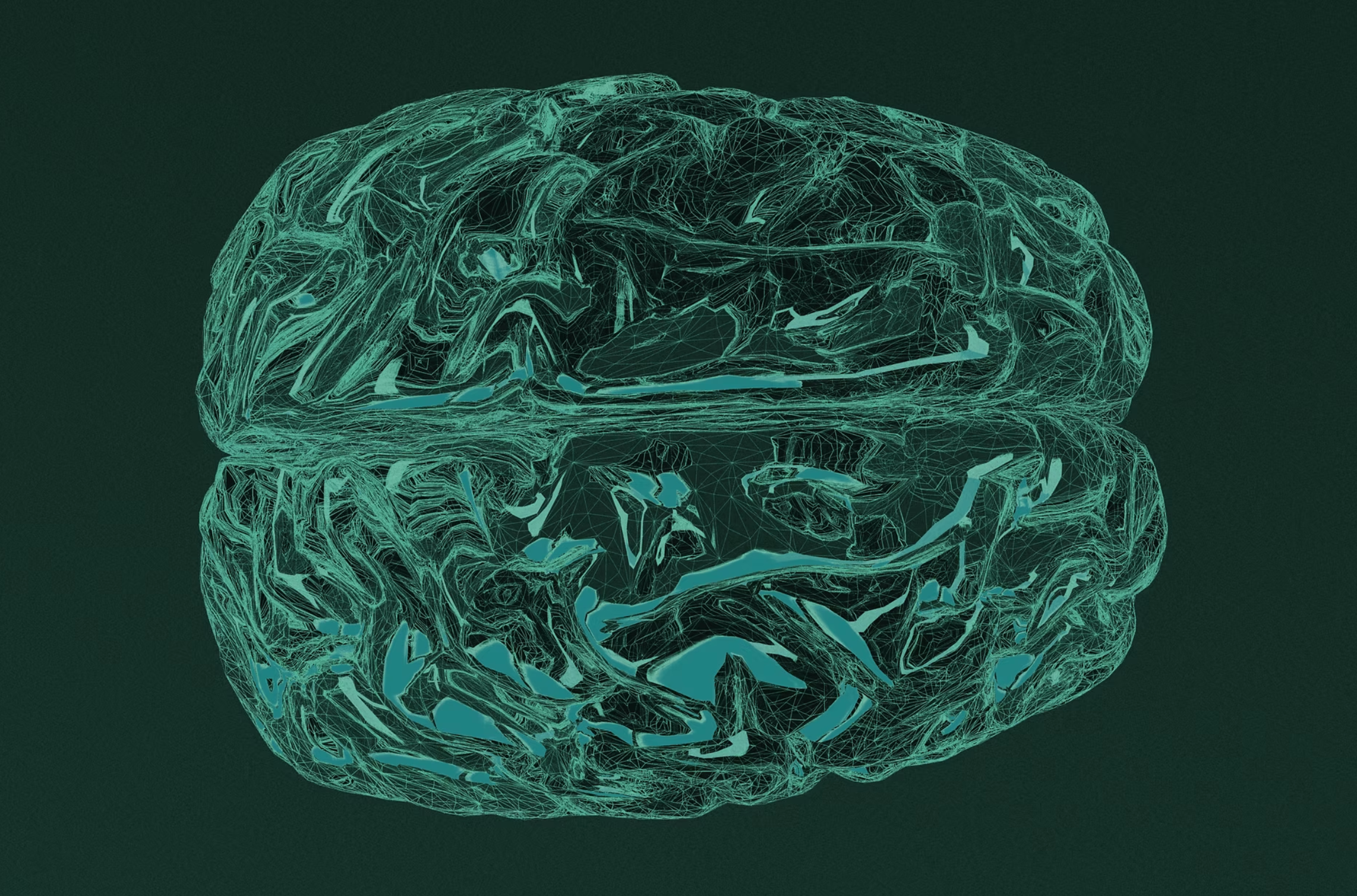
Why You Don't Feel Like Yourself Anymore: The Brain, Trauma, Perimenopause, and Your Sense of Self
Feeling like you don’t recognize yourself can happen during periods of chronic stress, trauma, major life changes, and perimenopause. Your sense of self is shaped by your brain, body, relationships, and experiences, and it can change. Therapy can help you understand what is shifting, reconnect with yourself, and figure out what actually feels like you now.

You Are More Than Your Diagnosis | Michaela Kozlik, LCPC | Illinois
If you've ever sat in a doctor's office or a therapy intake and walked away with a diagnosis of anxiety disorder, depression, PTSD, or ADHD, you probably felt one of two things.
Relief. Finally, a name for it.
Or something more complicated. A vague sense that the label captured part of what's happening but missed something important. That the checkbox version of your experience left out the parts that actually matter.
Both of those responses make complete sense.
A diagnosis is a tool. It is not a definition of who you are.

Trauma and Breathwork in Therapy
By Michaela Kozlik, LCPC · Therapist specializing in perimenopause anxiety & trauma, Illinois
Deep within your brain, under all the overthinking, underneath the self-doubt and the constant mental load you carry as a woman, lives one of the most ancient parts of your brain — the brainstem.
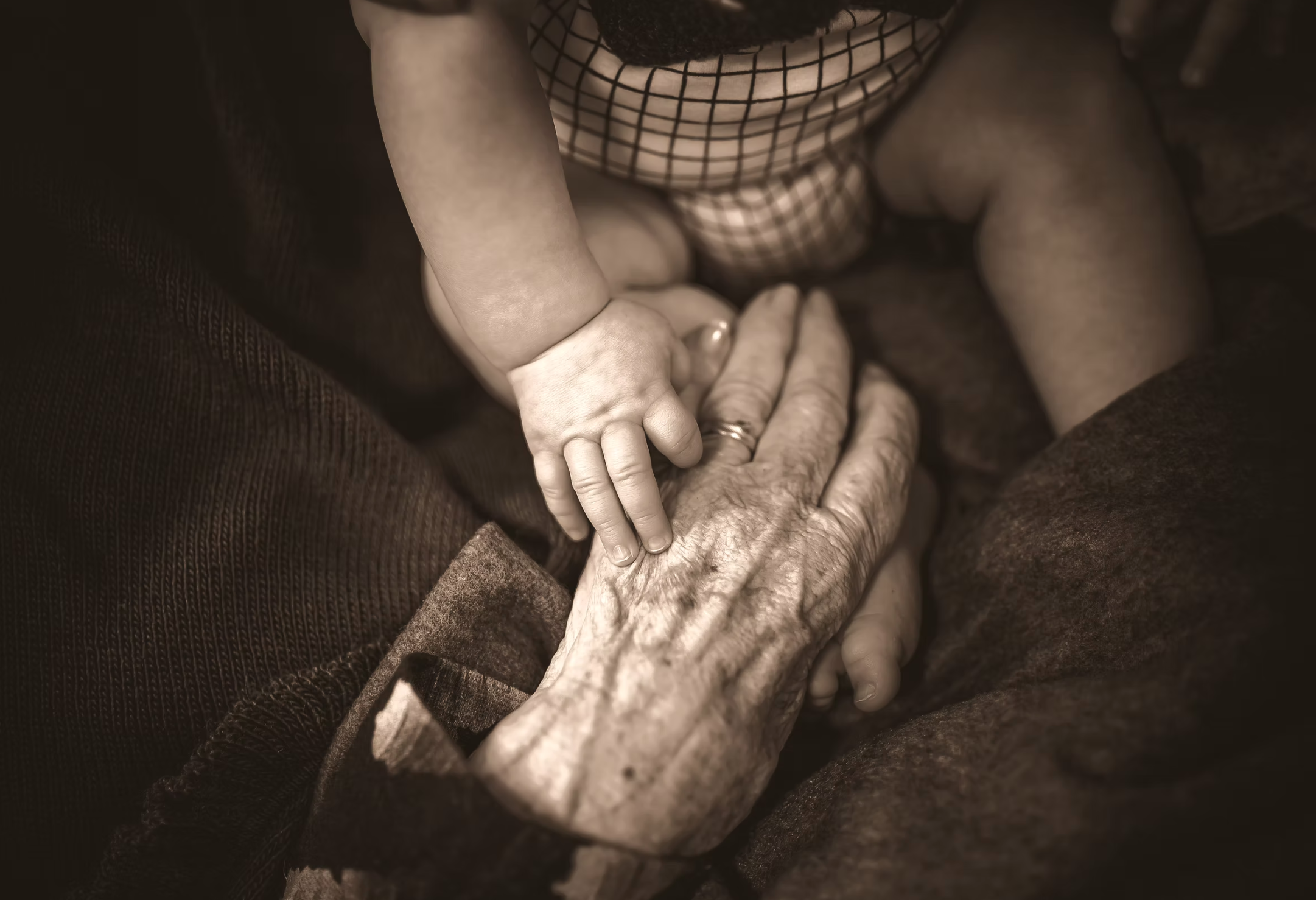
The Pain Might Not Have Started With You | Intergenerational Trauma
Have you ever had a reaction that felt too big for what actually happened?
Anxiety with no clear source or grief that shows up in ordinary moments without an obvious reason. Maybe anger that is a little too intense for the situation or fear of abandonment that doesn't make sense.

When You Actually Never Felt Safe | Michaela Kozlik, LCPC | Illinois
If you grew up in an environment where your nervous system never got to experience consistent safety, you're not healing from trauma. You're building something you never had in the first place. Illinois therapist Michaela Kozlik LCPC explains what that actually means, why it's harder than regular trauma recovery, and what the path forward actually looks like.

The Truth About Nervous System Regulation
There is a story we’ve been told, whispered by our society or shouted by the inner critic that we should be able to regulate ourselves, that we have the power to control our emotions and “keep it together,” to heal our wounds on our own.

The Space Between Knowing and Not Knowing: Where Healing Begins to Happen
Therapy, at its core, is a journey through the unknown. It’s a voyage not mapped out by certainty but by a willingness to step into the darkness of our own emotions, thoughts, and fears. This is where the most powerful and transformative work unfolds in the space between knowing and not knowing, a space that often feels like standing on the edge of something vast, with no clear path ahead.
Therapy Is Not About Fixing You. It's About Understanding You.
Most of us come to therapy because something feels wrong.
And the mental health system, with the best of intentions, is very good at confirming that something is wrong. Here's your diagnosis. Here's your treatment plan. Here's how we manage the symptoms.
But there's a different question that changes everything:
Not what's wrong with you, but what happened to you.

Trauma Isolation and Why You Can't Heal Alone | Illinois Therapist
The deepest wound of trauma is often not the event itself, but the isolation that follows. Illinois therapist Michaela Kozlik LCPC explains how carrying trauma alone reshapes the nervous system, creates shame and relationship distrust, and why healing from trauma-rooted isolation requires relational therapy, not just insight or coping strategies.

What It Actually Feels Like to Feel Safe and Why It Changes Everything
Safety is not just an idea, it's something you feel in your body. For women who never had that experience, it can feel unfamiliar or even unsafe at first. This is what building the felt sense of safety in therapy actually looks like, and why connection is what creates it.

Not Everything Is Trauma & That's Actually A Good Thing
In the mental health world where we've finally started talking openly about trauma, nervous system, inner child healing, and emotional triggers, that might feel like a strange thing for a trauma-informed therapist to say.
But stay with me because I'm not saying this to minimize anything you've been through. I'm saying it because I think the distinction actually matters for your healing, your understanding of yourself, and getting you the right kind of support.

What Is Hakomi Therapy And Why It Works So Well for Midlife Women
Hakomi is a body-based, mindfulness-focused therapy that works with physical sensations and nervous-system responses (not just talk/analysis) to surface deeper, often pre-verbal beliefs and feelings.
The post frames it as especially suited to perimenopause/midlife because hormonal shifts make suppressed emotions harder to keep down, and Hakomi helps access what you truly feel/want versus what you think you should. It's built on principles like mindfulness, nonviolence, and trusting the body's own wisdom, and pairs well with longer therapy intensives.

How Therapy Helps Women Heal from Trauma and Anxiety During Perimenopause
Perimenopause is one of the most significant transitions in a woman's life, and for many of us, it's also when long-buried emotional pain begins to surface. The hormonal shifts can amplify anxiety, grief, and trauma that may have been tucked away for years, even decades. If you're here, I understand because I've been there myself...