
What Is Attachment Therapy, and How Does It Help With Complex PTSD
Attachment therapy looks at how your early relationships shaped the way you trust, connect, and feel safe with people now. For people with Complex PTSD, those early wounds are usually the root of the pain. Attachment therapy helps by building a new, safer relationship, not just talking about the old one.
Michaela Kozlik, LCPC — Licensed therapist in Illinois specializing in trauma, anxiety, burnout, somatic therapy, and nervous system regulation for women in perimenopause and midlife transitions.
What Is Attachment Therapy?
Attachment therapy is based on attachment theory. It says your early relationships shape how you relate to people for the rest of your life.
If your early relationships were consistent, you likely developed secure attachment. You learned people could be trusted and your needs mattered.
If your early relationships were inconsistent, neglectful, or scary, you likely developed an insecure attachment style instead — anxious, avoidant, or disorganized.
Attachment therapy works with these patterns directly. It helps you see where they came from and how they still shape your relationships now.
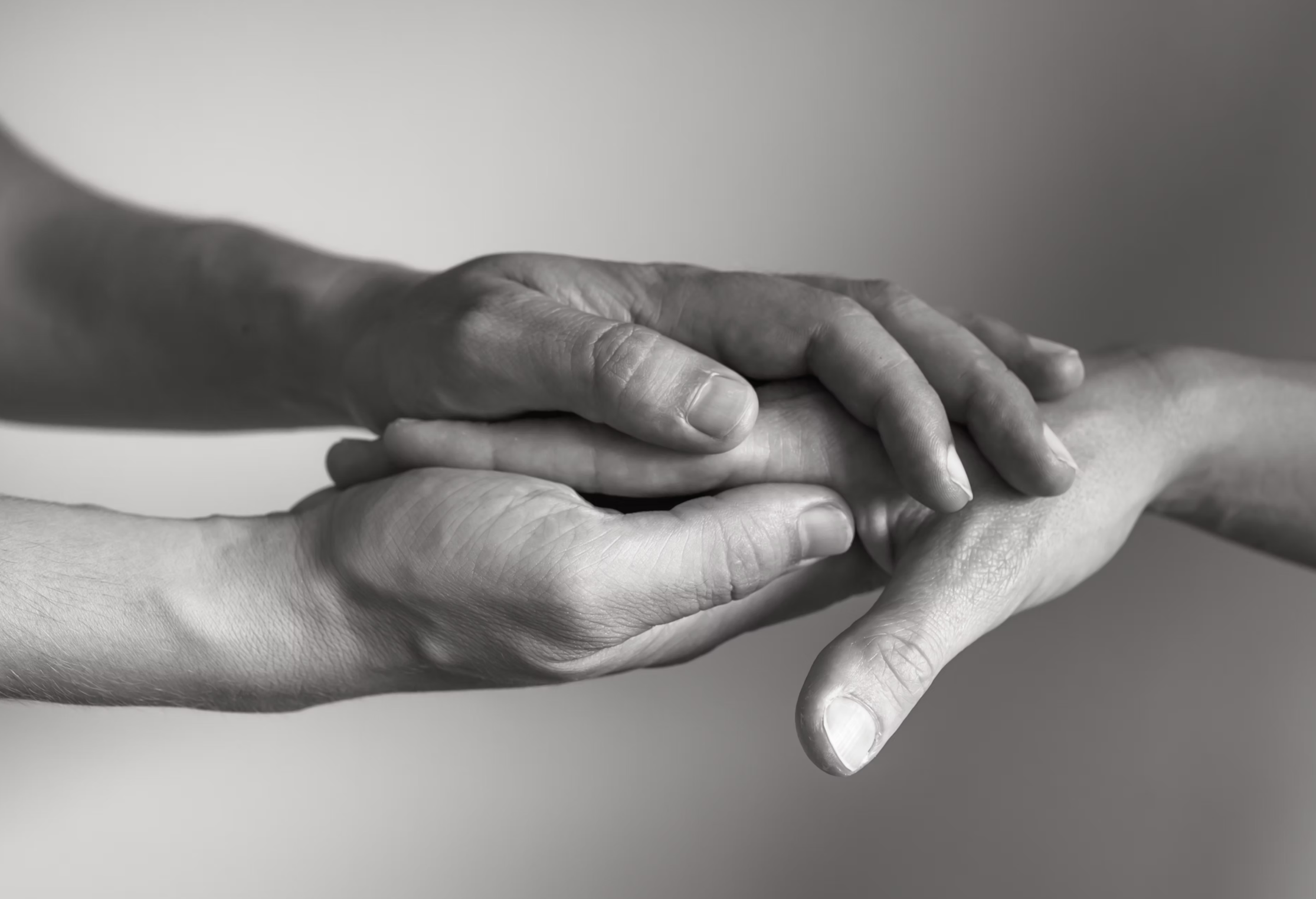
How Attachment Wounds Lead to Complex PTSD
Complex PTSD (C-PTSD) comes from repeated relational trauma that happens over months or years, usually in childhood. This is different from single-incident PTSD.
When the people who were supposed to keep you safe were also the source of fear or inconsistency, you learn that connection is not safe.
This often shows up later as:
Trouble trusting people, even when they haven't done anything wrong
Feeling too much or too little in relationships
Fear of abandonment, or fear of closeness
Chronic self-blame or shame
Not knowing what you feel or need
Feeling disconnected from others
These are not random symptoms, but they are direct result of learning, early and often, that relationships weren't safe.
Why Attachment Therapy Matters for Complex PTSD
Complex PTSD is not only about what happened to you, but what didn't happen — safety, attunement, repair.
This is why attachment-focused therapy works so well for C-PTSD. Healing an attachment wound takes a relationship, not just information. You can understand your patterns and still feel unable to trust or relax. The wound formed in relationship, so it heals in relationship too.
How Attachment Therapy Works
Attachment therapy looks back at your history, but it also pays attention to what's happening between you and your therapist right now.
This usually includes:
Naming your attachment style and how it shows up today
Understanding the experiences that shaped it
Noticing attachment patterns as they show up in the therapy relationship
Experiencing consistency and repair, maybe for the first time
Slowly building a felt sense of safety in connection
Over time, this creates what's called a corrective emotional experience. Your nervous system learns, through real experience, that connection can be safe now
Attachment Therapy and the Body
Complex PTSD isn't only stored as memory. It's stored in the body. That's why attachment therapy often works best alongside somatic approaches, which help you notice and shift physical fear responses, not just talk about them.
Why This Work Often Needs More Time
Attachment healing happens slowly. That's part of why many women pair weekly therapy with a therapy intensive. Several uninterrupted hours give deeper material room to surface, instead of getting a few minutes of attention each week.
Attachment Therapy for Complex PTSD in Illinois
I offer online attachment-focused therapy and therapy intensives for women throughout Illinois healing from Complex PTSD and relational trauma. I combine attachment therapy with somatic work, IFS, and nervous system regulation to help you build the safety and connection you may not have had the first time.
📞 773-343-5005🌐 inpsychotherapy.com📧 Michaela@inpsychotherapy.com
Trauma Therapy & Complex PTSD — Illinois
Perimenopause Therapy — Illinois
KEEP READING
What It Actually Feels Like to Feel Safe — and Why It Changes Everything 👉
The Pain You Carry Might Not Have Started With You 👉
What Is IFS Therapy, and How Is It Used to Treat Trauma?
Frequently Asked Questions
What is attachment therapy?
An approach based on attachment theory, focused on how early relationships shaped your ability to trust and connect with others.
What is Complex PTSD?
Complex PTSD comes from repeated trauma, often relational trauma in childhood. It includes symptoms like trouble trusting others, emotional swings, chronic shame, and a disrupted sense of self.
How is Complex PTSD different from PTSD?
PTSD is usually linked to one event. Complex PTSD comes from ongoing trauma over time, often within close relationships, and tends to affect identity and relationships more broadly.
Can attachment style change in adulthood?
Yes. Through consistent, attuned relationships, including in therapy, it's possible to become more securely attached over time.
Why does healing Complex PTSD require a relationship?
Because the wound formed in relationship. Understanding it is not enough. Experiencing safety with another person is what creates lasting change.
Do you offer attachment-focused therapy in Illinois?
Yes. I offer virtual attachment-focused therapy and therapy intensives for women throughout Illinois working through Complex PTSD.
Michaela Kozlik, LCPC — Licensed Clinical Professional Counselor in Illinois, specializing in trauma, anxiety, burnout, somatic therapy, and nervous system regulation for women in perimenopause and midlife transitions.
📞 773-343-5005🌐 inpsychotherapy.com📧 Michaela@inpsychotherapy.com
Serving women virtually across Illinois — Chicago, Evanston, Oak Park, Naperville, Wilmette, Hinsdale, Downers Grove, Schaumburg, Glenview, Libertyville, Rockford, Peoria, Springfield, Champaign, Aurora, Joliet, Elgin, Waukegan, Wheaton, Barrington, Lake Forest, Highland Park, Winnetka, Glencoe, Northbrook, Palatine, Arlington Heights, Skokie, Elmhurst, Lombard, Lisle, Bolingbrook, Orland Park, Tinley Park, Oak Lawn, Homewood and beyond.