
I bring warmth, curiosity, and honest responses to therapy. We make space for what you tell me, what you notice in your body, and what happens between us as we talk. If I misunderstand you or something feels rushed, you can bring it up. How we handle those moments together is part of the work.
By Michaela Kozlik, LCPC · Therapist specializing in women's mental health & trauma, Illinois
I am not a blank screen. Some therapeutic approaches value therapist neutrality above everything else: the idea that the less of yourself you bring into the room, the better. I understand the reasoning. And I work differently…
You might tell me something painful and then glance at my face to see how it landed. Maybe you laugh a little. Maybe you say, “It wasn’t that bad,” even though a minute ago you were trying to tell me how much it hurt.
I’m paying attention to that moment. You’ve just trusted me with something, and you’re trying to figure out how it feels to have me know it.
If what you say moves me, you may hear it in my voice. If I’m unsure what you mean, I’ll ask. And if I respond in a way that misses what you were trying to say, I want there to be room for you to tell me. We can go back to it together.
That’s what I mean when I talk about being myself in a session. I bring warmth, curiosity, and honest responses while keeping the focus on you. You can take your time getting to know me and finding out what it feels like to talk about things you usually keep to yourself.
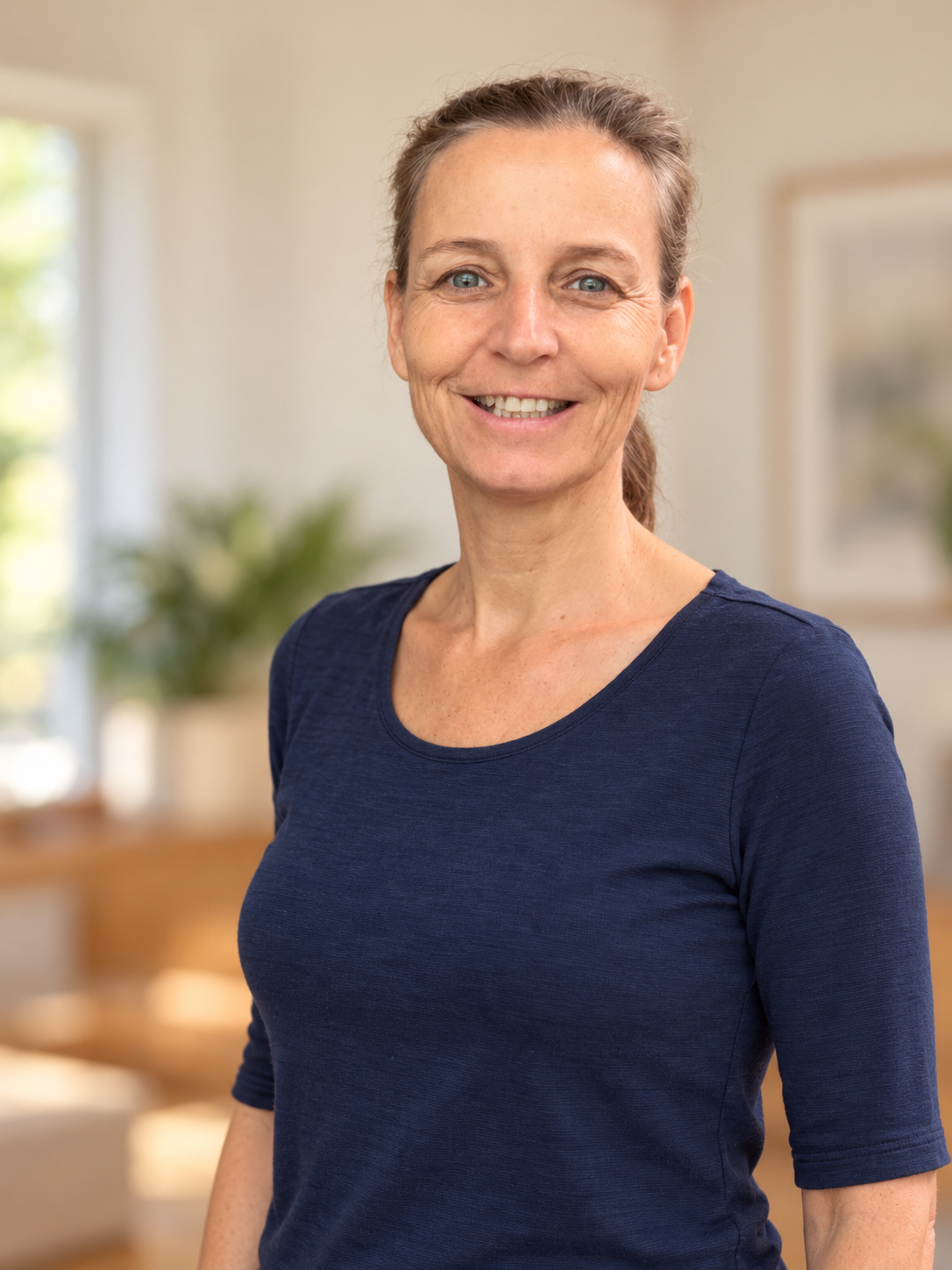
What authentic presence looks like in therapy
Sometimes it’s as simple as saying, “I think I missed something. Can we go back?”
Maybe you’ve been telling me about a fight with your partner and I ask how you might want to handle it next time. You go along with the question, but what you really wanted was a minute to talk about how lonely you felt. If I pick up on that, I can check. If I miss it and you tell me, I can hear you and make room for what I skipped over.
You can also bring it up a week later. Sometimes you don’t know how an interaction felt until you’ve had some distance from it. I’d want to hear about that, too.
When something painful comes up, I can stay with you while we figure out what you need. Maybe you want a little silence. Maybe you’d like me to ask a question because you don’t know how to keep going. You might want to stop for the day. You get a say in how we work, even in the middle of a hard moment.
What you can expect in a session with me
You can show up with a list of things you want to talk about. You can also show up tired, irritated, or unsure why you’ve been crying all morning. Sometimes the first thing you say is, “I don’t know where to start,” or “I wanted to cancel today.” We can spend time there.
I’ll ask about what’s happening now and get to know the context around it. What does a regular day ask of you? Who do you turn to when you need something? What did you learn about asking for help? If you apologize every time you cry, I might ask what you imagine I’m thinking when you get emotional. Your answer may tell us something about how you’ve learned to be with other people when you’re hurting.
I integrate somatic therapy, IFS-informed parts work, Hakomi, and an attachment-informed relational approach. In practice, that might mean noticing how hard it is to speak when you expect someone to be disappointed in you. We could make room for the part of you that’s tired of saying yes and the part that worries what saying no might cost. If you want to, we could try saying the words out loud and see what comes up between us. Some days, we’ll spend most of the hour talking. What we do depends on what you bring in and what feels manageable that day.
Some sessions feel like something shifted. Others feel ordinary. You might spend an hour telling me about a week that wore you out and only realize afterward how rarely you get to talk about your life without having to make it sound fine.
Why the therapy relationship matters to me
If you’ve spent years watching other people’s reactions, you may do that with me too. You might notice me glance at the clock and assume I’m bored. You might agree with something I say and feel annoyed with yourself later because you had a different thought. Those moments tell us something about what it’s like for you to be in a relationship where your feelings and needs are on the table.
Say you tell me, “I thought you wanted me to stop talking.” I can tell you what was happening for me, and I can listen to what that moment was like for you. If I was distracted or moved us along too soon, I can own that. We can talk about what would help next time.
It might still feel uncomfortable to bring it up. You might feel relieved and embarrassed in the same breath. There’s room for both. Over time, experiences like that can give you more information about what it feels like to speak up and stay in conversation with someone. That matters to me, especially when we’re working with hurt that happened in relationships.
Read more about what it feels like to feel safe in therapy
What this can look like in a therapy intensive
A therapy intensive gives us a longer stretch of time to work on something specific. We might spend part of the morning getting clear about a decision you’ve been circling for months. As we talk, we may hear how much of the decision has been about what other people need from you. We have time to take a break, come back, and give some attention to what you want and why it’s been hard to say.
There’s also time to notice how the work has landed before we end. You may want to write something down, talk through what you’re taking home, or figure out how you want to spend the rest of your day. We plan breaks and adjust the pace together.
Weekly therapy gives us a chance to see what comes up in your life between sessions and return to it over time. An intensive gives us a longer window to stay with a particular concern. We can talk about what kind of time and support would suit you.
Read what happens during a full-day therapy intensive
Who I work with
I offer online therapy for women across Illinois. Many of the women I work with are navigating trauma, anxiety, burnout, or changes in midlife and perimenopause. Some come in because they can see a pattern clearly and still find themselves caught in it. Others come in because something in their life has changed, and they’re trying to figure out what they want now.
Whatever brings you in, I’m interested in how it shows up in your actual life. That might mean talking about why it’s so hard to rest when you’re exhausted, what happens inside you when someone is upset with you, or how it feels to want something different from a life you’ve worked hard to build.
SCHEDULE A FREE CONSULTATION
📞 773-343-5005 🌐 www.inpsychotherapy.com 📧 Michaela@inpsychotherapy.com
Frequently Asked Questions
What makes your approach different from other therapists?
I combine clinical training in somatic therapy, IFS parts work, Hakomi, and attachment-focused relational therapy with genuine human presence. I don't believe in performing neutrality. I believe in being authentically engaged while maintaining the professional structure that makes the work safe and effective.
What is a therapy intensive and how is it different from weekly therapy?
A therapy intensive is an extended block of focused therapeutic work — half-day, full day, or multiple consecutive days — rather than the standard weekly session. It gives us the time to go deeper, stay longer, and create more significant movement and change. As I explain in What Happens in a Full Day Therapy Intensive — Hour by Hour — the arc of a full day creates conditions for real integration.
Do you work with women in perimenopause specifically?
Yes — and this is one of my core specialties. Perimenopause creates specific neurological and emotional challenges that require a therapist who understands the intersection of hormonal shifts, trauma activation, identity upheaval, and nervous system dysregulation. You can read more on my perimenopause therapy page.
How do I know if working with you is the right fit?
The free consultation call is the right first step. We talk about where you are, what you're hoping for, and whether working together makes sense. I will tell you honestly if I think a different kind of support would serve you better.
Is virtual therapy as effective as in-person?
Yes and for the kind of somatic, nervous system-informed work I do, virtual therapy is fully effective. The work happens in your internal world. Your internal world comes with you wherever you are.
Schedule a free consultation here
📞 773-343-5005🌐 inpsychotherapy.com📧 Michaela@inpsychotherapy.com
Michaela Kozlik, LCPC — Licensed therapist in Illinois specializing in complex PTSD, attachment trauma, anxiety, perimenopause, and nervous system regulation for women. Offering individual therapy and therapy intensives virtually throughout Illinois.
Virtual therapy for women across all of Illinois — including Chicago, Evanston, Oak Park, Naperville, Wilmette, Hinsdale, Downers Grove, Schaumburg, Glenview, Libertyville, Rockford, Peoria, Springfield, Champaign, Aurora, Joliet, Elgin, Waukegan, Wheaton, Barrington, Lake Forest, Highland Park, Northbrook, Arlington Heights, Elmhurst, Orland Park and beyond.