

What Happens in a Full Day Therapy Intensive | Michaela Kozlik, LCPC | Illinois
If you've been reading or seeing posts about extended therapy and thinking what actually happens... What does six hours of therapy even look like? This article is for you.
I want to give you an idea of what the a full-day intensive may look like. What we do, why we do it in that order, what you might feel at different points throughout the day, and what you go home with at the end

You Can See the Pattern. So Why Can't You Stop It? | Michaela Kozlik, LCPC | Illinois
You've done enough work on yourself to see it coming, and that's almost the hardest part. Because you're not someone who moves through life unconsciously, bumping into the same walls without noticing. You notice. You've noticed for a while. You can watch the pattern activate in real time, narrate it to yourself while it's happening, understand exactly where it comes from, and still not be able to stop it.

Divorce During Perimenopause: Why Midlife Marriage Can Feel So Hard | Illinois Therapist
Nobody plans for this.
Nobody sits down at 25 and thinks: You know what, I'd like to go through a divorce at the exact same time my hormones are completely dismantling my nervous system, my sense of identity is up for total renegotiation, and I haven't slept properly in months.
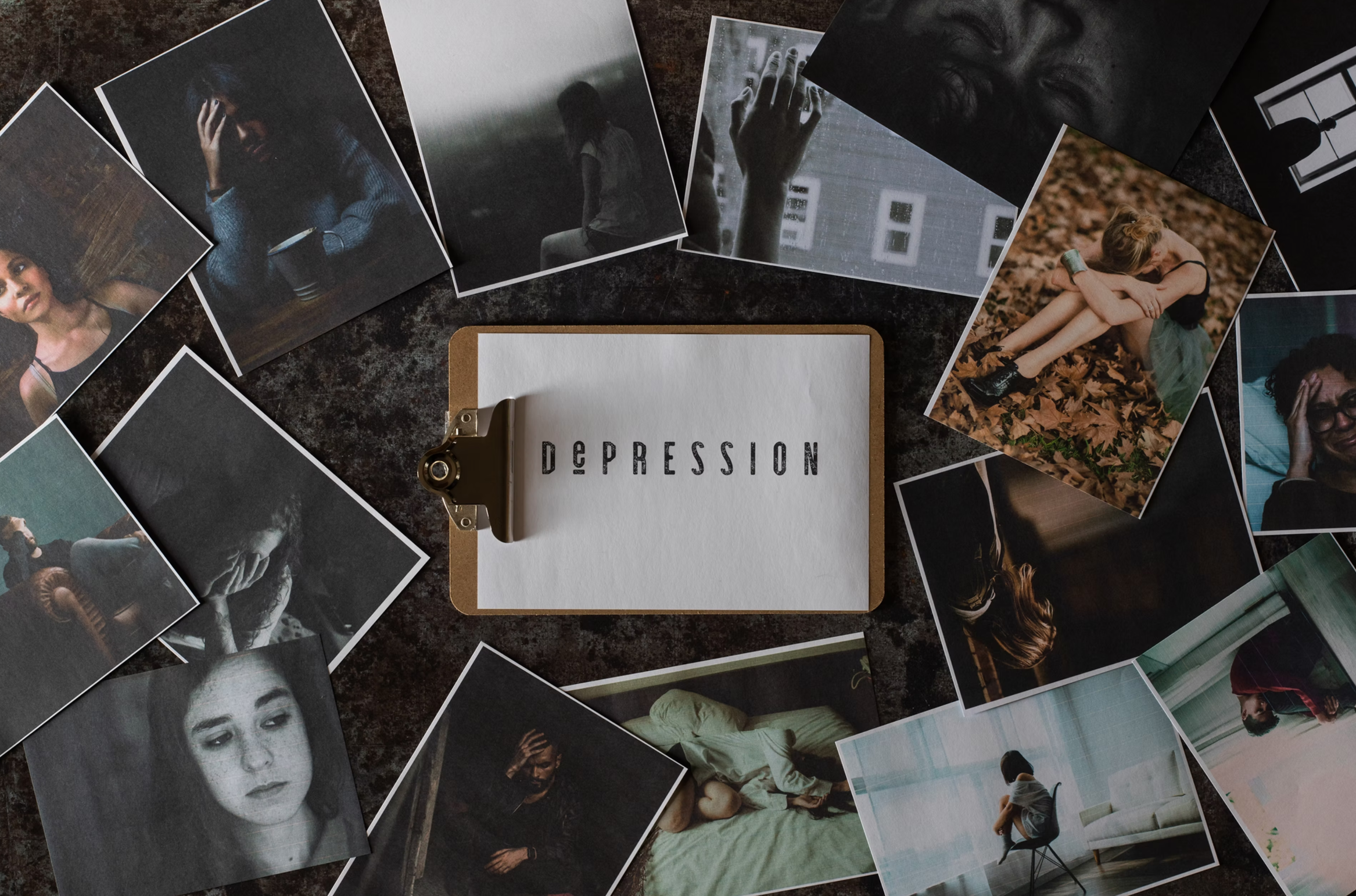
This Doesn't Look Like Depression. But It Might Be | Perimenopause & Depression
You don't think of yourself as depressed.
Depressed people stay in bed, they can't function. Depressed is visibly falling apart in ways other people notice and worry about.
You are doing none of that. You are showing up, getting things done. Managing your life, your work, your family, your obligations.... all of it, every single day.

Anger During Perimenopause: Why You Feel So Irritable and What Helps
Anger during perimenopause can feel sudden and out of proportion to what just happened. Hormonal changes, poor sleep, and stress may make it harder to regulate, while the anger itself may point to needs or boundaries you have set aside for years. Paying attention to both can help you respond without dismissing what you feel or taking it out on someone else.

It's Okay Not to Recognize Yourself Right Now. Illinois Therapist on Perimenopause & Identity.
Not in a self-pity way, but maybe in a deeper, more unsettling way. You're tired of performing, of showing up as the version of yourself that everyone around you recognizes... Tired of saying you're fine when you're not. And maybe you're feeling the loneliness of living a life that looks right from the outside and feels hollow or confusing from the inside.

What Chronic Stress is Actually Doing to Your Body | Perimenopause Therapist Illinois
Chronic stress and perimenopause can overlap in ways that leave you exhausted, tense, foggy, and more easily overwhelmed. If the ways you used to cope are not helping anymore, it may be time to look at both your stress and the changes happening in your body. You do not have to keep pushing through without support.

When the Past Comes Back: Trauma Resurfacing During Perimenopause
Something you thought you had dealt with is back. Maybe it's a memory that keeps surfacing at odd moments, or old relationship pattern showing up in your marriage or your friendships. Maybe it's a hair-trigger anger that catches you off guard, or a sudden grief that has no explanation.

You're Not Losing Your Mind. You're in Perimenopause: Therapy Intensive Illinois
If you've been Googling "why do I feel like a different person" or "perimenopause anxiety," this is for you. The mood swings, rage, grief, the identity shift all make complete sense. Here's why it's happening and what actually helps.

Why Trauma Survivors Become Caretakers
If you’re always the one noticing what others need, stepping in, and keeping things together, you may have learned that role long before you chose it. Over time, it can leave you exhausted and unsure what you need. This article looks at where caretaking patterns can begin and how therapy can help you respond differently.

When Self-Reliance Becomes Emotional Isolation
Self-reliance is often praised as a strength. Being independent, capable, and able to handle things on your own is seen as a sign of resilience. Many of us pride ourselves on our ability to take care of ourselves and others without needing much support.

Navigating Perimenopause and Trauma: Therapy Intensives for Women in Illinois
If you’ve been feeling more emotionally sensitive lately…more anxious, more reactive, more easily overwhelmed…you are not imagining it.
You probably connected the dots by now. Many women enter perimenopause expecting hot flashes and irregular periods. What often catches us off guard is something else entirely: old pain and emotional wounds suddenly feel louder.

You Understand Your Anxiety. So Why Can't You Make It Stop? | Michaela Kozlik, LCPC | Illinois
Understanding where your anxiety comes from and actually feeling better are two very different things. Here is why.
If you're a highly self-aware woman, you've probably had this thought at least once:
I understand my patterns. So why am I still anxious?

You're the One Everyone Calls. But Who Do You Call?
Chronic emotional caretaking in women is almost always rooted in early adaptation, not your personality. Illinois therapist explains why the women carrying the most are often the most exhausted, why boundaries feel impossible rather than just difficult, and what somatic therapy and therapy intensives do that willpower and better time management cannot.

Trauma Therapy for Women in Illinois: Deeper Path to Healing
Many women walk into therapy carrying something they’ve been holding for years.
Sometimes it’s obvious trauma like a painful relationship, emotional neglect growing up, betrayal, or loss. And sometimes it’s harder to name… It can show up as intense anxiety, feeling easily overwhelmed, or struggling in relationships. Or a deep inner voice that says you’re not enough.

How Therapists Decide What Happens in a Therapy Intensive: For Women in Chicago and Illinois Curious About Therapy Intensives
Most women are curious about therapy intensives but not sure what to expect. Here's a phase-by-phase look at how I work and why the extended time changes everything.

Your Anxiety Cycles and The Female Nervous System
As a therapist working with women across Illinois, I see this pattern often, especially in women navigating anxiety, high stress, trauma recovery, or the hormonal changes of midlife. What looks like inconsistency is often something much more human and biological.
Your capacity is not fixed. It changes throughout the month.

Why Love Languages Don’t Always Work for Trauma Survivors (And What Does)
Maybe you’ve read the book. Maybe you and your partner took the quiz, identified your love languages, and tried to speak each other’s language. Words of affirmation, quality time, physical touch. It all made so much sense on paper.
And yet something still feels off. Maybe you notice that even when your partner does everything “right,” you feel strangely unmoved, or even more anxious. You might find yourself bracing instead of softening when love is offered. Or maybe you shut down entirely, unsure why closeness feels more like a threat than a comfort.

When Self-Improvement Becomes Burnout: Trauma Therapy in Illinois
Many women come to my therapy space carrying a quiet (or sometimes not so quiet) exhaustion. They’ve done the work, read the self-help books, practiced mindfulness, tried to think more positively, pushed themselves to grow. From the outside, they look capable, motivated, and self-aware, but inside they share a different experience with me:

How Therapy Intensives Help Break Through Emotional Blocks
You know what’s happening. You can name your patterns, trace them back to their origins, and articulate exactly why you react the way you do. You’ve done the inner work, listened to the podcasts, maybe even worked with a therapist for months or years.
And yet something still feels locked and unreachable.