

What Emotional Safety Actually Means in Relationships
Emotional safety in relationships is not about staying calm, avoiding conflict, or being easy to be with. It's more about whether you feel accompanied or alone inside the relationship. Illinois therapist Michaela Kozlik LCPC explains what emotional safety actually looks like, why trauma makes it hard to access, and how attachment-based therapy helps build it.

Why Brain-Based Therapy Intensive Is the Fastest Path to Healing Trauma and Anxiety
If you’ve been in therapy before, you might recognize this feeling:
You know what happened to you. You’ve talked it through. You can even explain why you react the way you do.
And yet… your body still panics. You still shut down. You still overreact, overthink, or go numb.

What It's Actually Like to Work With Me | Michaela Kozlik, LCPC | Illinois
Therapy with me is about genuine human connection within a safe, boundaried therapeutic relationship. This post explains what you can actually expect, how I show up, what our sessions feel like, and why authentic presence matters for real healing.

Beyond Anxious Attachment: Understanding Your Need for Reassurance
In the quiet moments between midnight and dawn, how many of us lie awake wondering if we're asking for too much? If we are too needy, our voices too persistent in seeking the reassurance of love? Scroll social media for five minutes and you'll find your answer, or at least a label.
Anxious attachment. Trust issues, Abandonment wounds.

When Life Stops Making Sense: The Perimenopause Shift
ou used to know yourself, your routines, reactions, and your way of handling things. Then something shifted. Here's what's actually happening and why you're not falling apart.
By Michaela Kozlik, LCPC · Therapist specializing in perimenopause, anxiety & trauma, Illinois
You used to know yourself pretty well.
You had your routines, your rhythms, your way of handling things. You weren't perfect, but you were steady. You knew who you were.

Why You Feel Worse After Therapy And Why That's Actually a Good Sign
Feeling worse after a meaningful therapy session or intensive is not a sign that something went wrong. It's often a sign that something went right. This post explains what is actually happening in your nervous system after therapy and why the messy middle is a normal and necessary part of healing.
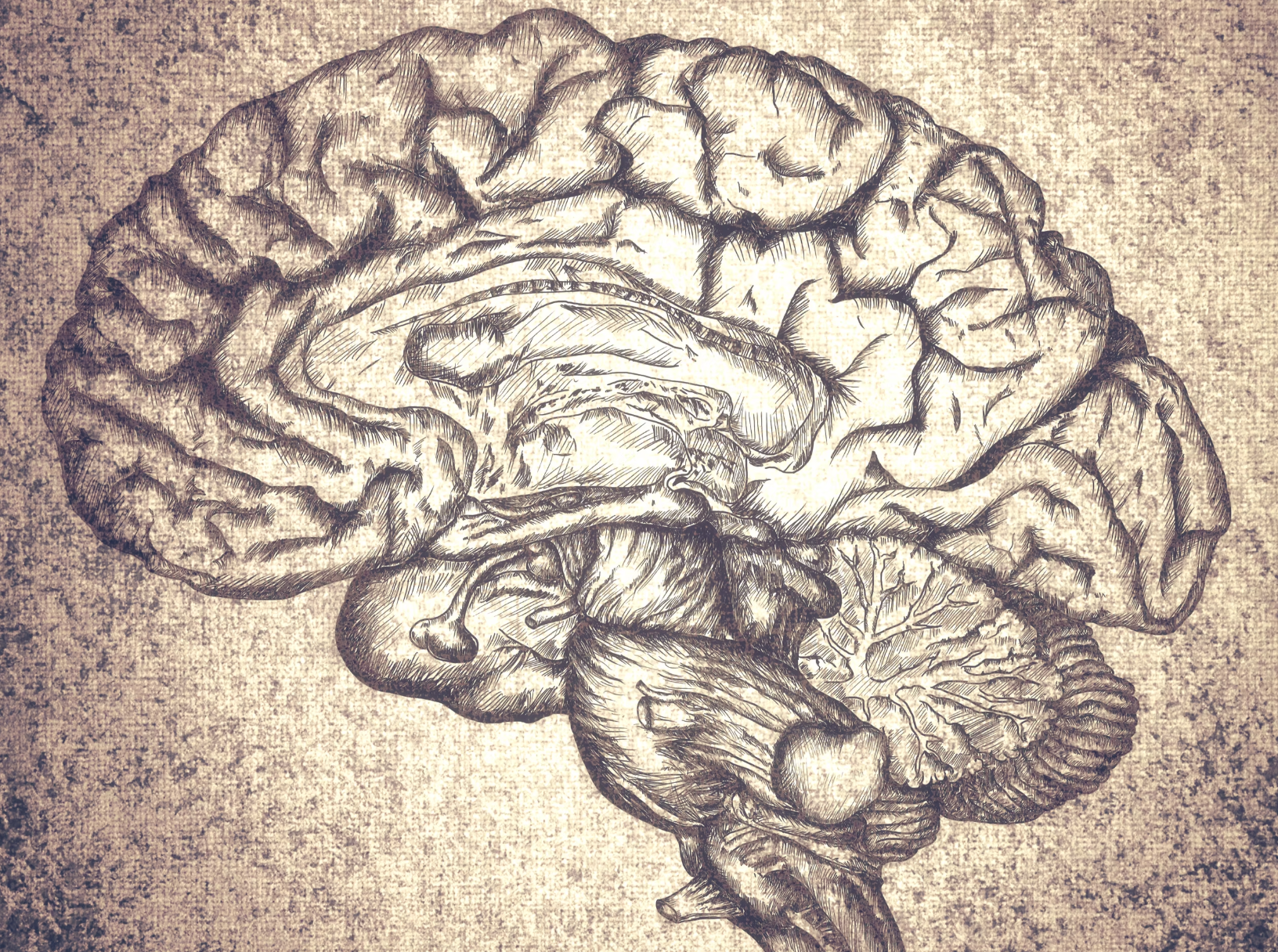
What Midlife Women Need to Know About Healing from Trauma
Trauma can shrink the hippocampus, the part of your brain that stores memory and tells the difference between "then" and "now." For years, science assumed this damage was permanent. It isn't. Your brain keeps making new neurons throughout your life, even in your 40s and 50s, even during perimenopause. Healing is slower and harder right now because of hormonal shifts, but it's still very much possible.

Grief in Perimenopause: Why So Much Is Rising to the Surface Right Now
Not all grief has a clear cause. In perimenopause, sadness can show up without a specific loss attached. This unnamed grief is real, and it's something therapy can help you understand and move through

The 6 F's of Internal Family System — A Simple Way to Start Healing Your Inner World | Illinois
Internal Family Systems (IFS) therapy offers a way to relate to the anxious part, the inner critic, the people-pleaser, and the angry part with curiosity instead of shame. The 6 F's are six steps for connecting with your parts and beginning to heal them. This post walks through each one in plain language.


Is Therapy Worth the Cost? Women in Illinois About the Investment
I know it might feel unusual to read a post like this. Talking about money and therapy together can feel strange.
My intention here is not to sell you on therapy or convince you of anything. It’s simply to open an honest conversation about something many women quietly wonder:
Is therapy really worth the cost?

You Can Have It All. But Nobody Told You It Would Feel Like This.
This is the story of a woman who did everything right and still ended up exhausted, invisible, and hollow. It's probably your story too. This post is about what happens when the life you built stops working and what becomes possible when you finally ask yourself what you actually want.

Love Sorrow: What Grief Can Teach Us About Healing
It is not often that we think of sorrow as something to love. More often, we try to run from it, hide it, silence it, or outpace it. We treat sorrow as an intruder in our lives, a thief who has stolen our joy or a shadow we’d rather not face. But Mary Oliver asks us to turn toward it, to care for it as though it were a small child placed in our hands.

Inner Helpers: A Gentle Practice for Resourcing and Healing from Anxiety and Trauma
If you’re a woman carrying anxiety, trauma, or the lingering ache of old wounds, you know how heavy it can feel. And maybe part of you wonders: How do I hold all of this?
The truth is: you don’t have to hold it all alone.

Why Weekly Therapy Is Not Enough During Perimenopause | Michaela Kozlik, Licensed Therapist in Illinois
If you're in perimenopause and it feels like your feelings, your anxiety, or your past have suddenly showed back up, you're not imagining it.
Maybe you're already in therapy. You show up every week, you do the work, you practice the skills. And still, you feel like you're white-knuckling your way to the next session. You're still overwhelmed, reactive, and exhausted.

Learning to Feel Safe Again: Gentle Approach to Trauma Healing
Today, we'll sit and breathing will not be a technique. It'll be an invitation.
I watch you fold into the chair, shoulders already anticipating something....protection, maybe. Or old stories ready to defend.
Before we've said a word, your body is already scanning: Is this safe?

In the Museum of Unspoken Words
Sometimes I imagine there's a museum somewhere, filled with all the words we never said. Your words are there too – preserved like butterflies under glass, each moment you chose silence pinned carefully to the wall. Beautiful, despite their stillness. Powerful, even in their quiet.
I want you to walk through this museum with me.

Understanding Your Attachment Patterns: How Your Childhood Shapes Adult Relationships
Remember the moment you fell of your bike as a child. Maybe someone rushed to comfort you, or maybe you were told to shake it off and keep going.
Or the day you brought home a report card....Were you met with warmth and reassurance, or did love feel tied to your performance?

When Your Inner World Goes Quiet: Why Your Parts Turn Away
You sit down, ready to connect with a hurt part of yourself, and you're met with silence, distraction, or even anger telling you not to come closer. That's protection. Parts that turn away are usually the ones that learned, a long time ago, that staying quiet was safer than being seen. Healing them starts with patience, not force.

Healing Your Inner World through Parts Work
There's a moment when you first begin to notice the different voices within you, each carrying their own memories of love, loss, and longing. These parts of you tell the story of how you learned to love, to trust, to fear, and to protect yourself in this world.